How Accurate Are People Counters? Reading Accuracy Claims Honestly
How accurate are people counters? It is the first question most retailers ask, and the honest answer is that there is no single number that fits every store. Accuracy is a range, not a fixed figure, and it shifts with the conditions at your specific entrance.
That can sound evasive when a spec sheet promises a clean percentage. But a count is only as good as the scene it works in. The same software can be highly reliable at a calm side door and struggle at a wide, sunlit main entrance during a Saturday rush.
This guide explains what really drives people-counting accuracy, how to read a vendor's claim without being misled, and how to validate a count on your own footage before you trust it.
Key takeaways
- People-counting accuracy is a range driven by camera angle, height, lighting, crowding and occlusion, not one fixed percentage you can read off a spec sheet.
- Headline accuracy claims are usually best-case figures from clean, uncrowded test conditions, so always ask how and where they were measured.
- The only reliable check is to run the counter on a real sample of your own video and compare it against a manual count, including a busy hour.
- Good placement, overhead and angled toward the floor, with even lighting and away from escalators, does more for accuracy than any brochure number.
Why "how accurate" has no single answer
Accuracy is a range that depends on conditions. The same counting setup can perform very differently at two doors in the same building. So when someone asks how accurate a people counter is, the truthful reply starts with "it depends on the scene."
A headline percentage is almost always a best-case figure. It tends to come from a clean test: good overhead mounting, even daylight, modest foot traffic, no glare. The number looks great because the scene was easy.
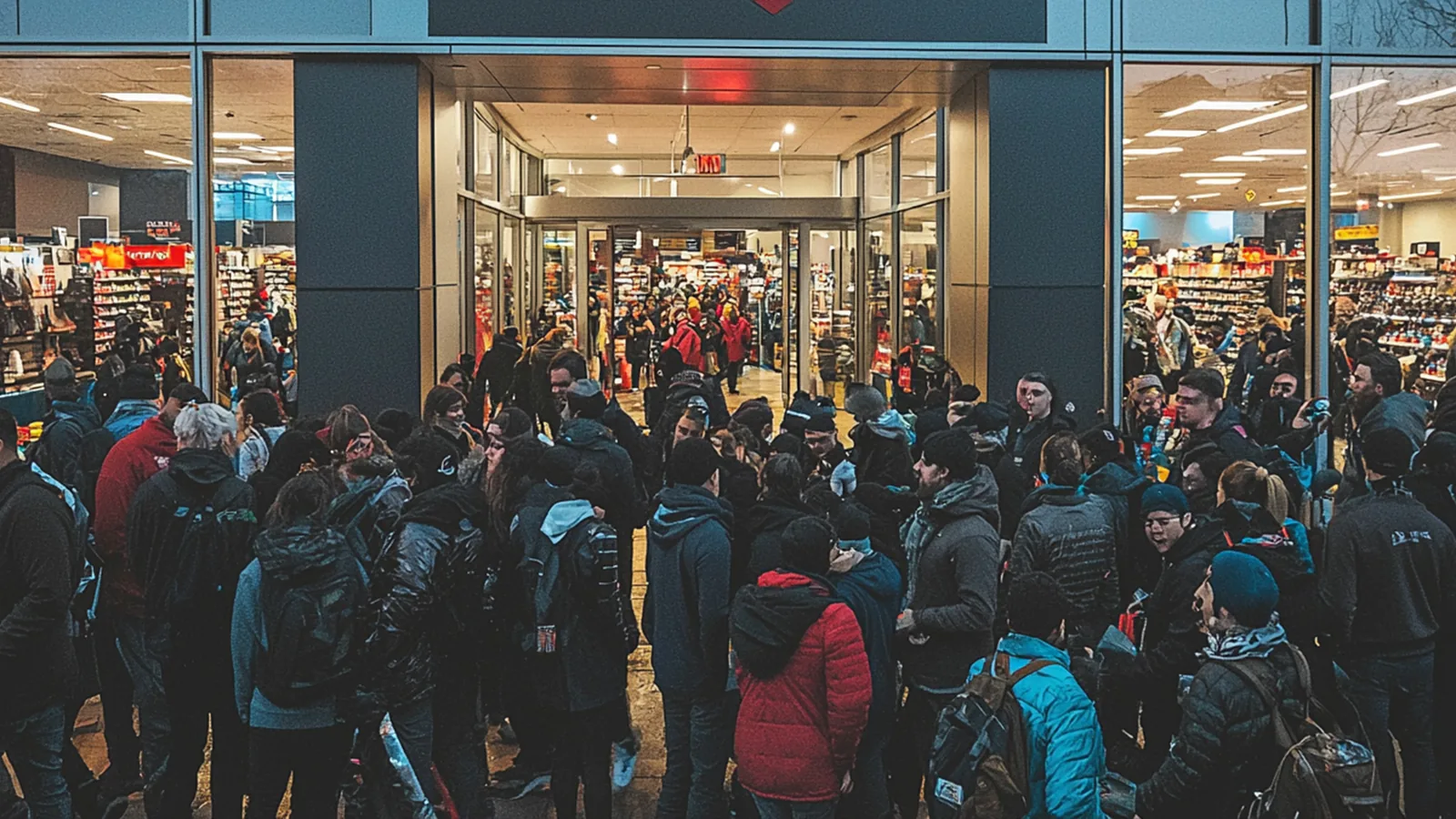
Your field accuracy, though, is bounded by the hardest conditions your site routinely sees. If your busiest hour involves groups bunching at a narrow door with afternoon sun coming straight in, that is the moment that shapes your real-world numbers, not the calm Tuesday morning.
So set the expectation up front. A trustworthy answer is qualitative first: reliable under good conditions, weaker under hard ones, and best judged on your own footage. Any vendor who hands you one universal percentage is describing a lab, not your store.
What actually moves accuracy
Most people-counting accuracy factors come down to how clearly the software can see each person cross your count line. A few things matter far more than the rest, and the good news is that several are within your control through placement.
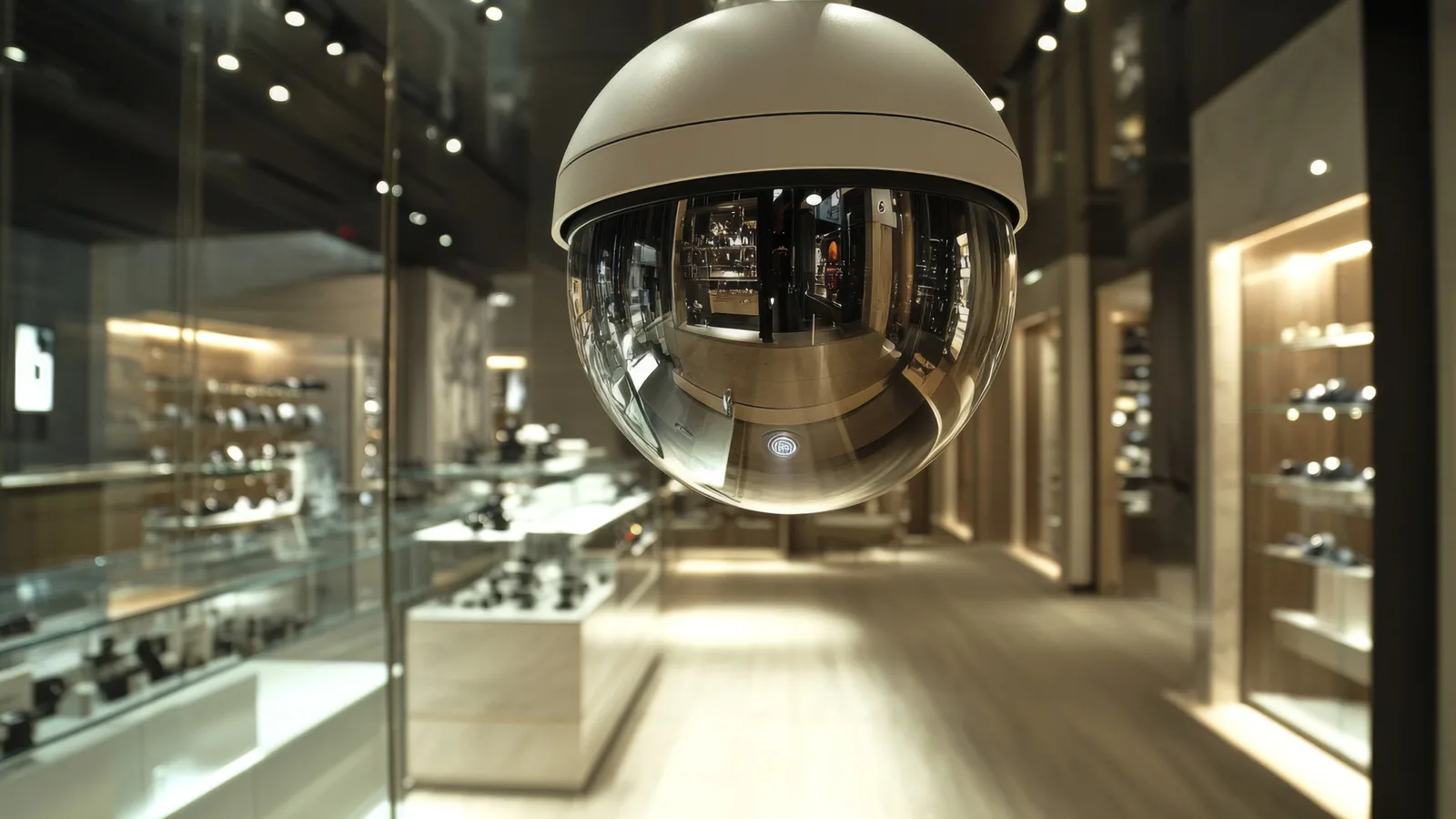
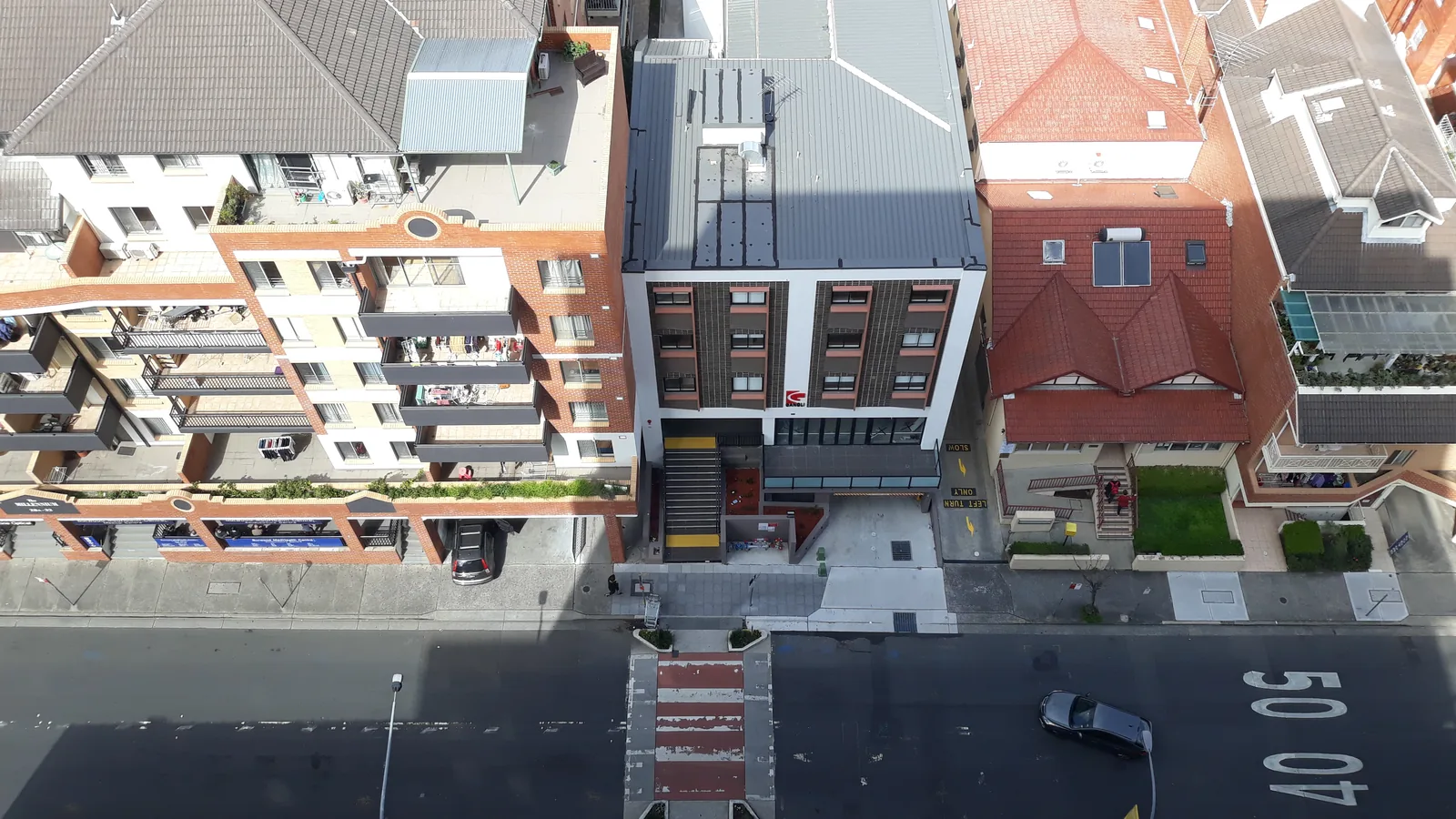
Camera angle and height. A top-down or steeply angled overhead view is the single biggest lever. When the camera looks down toward the floor, people overlap far less in the frame, so the count separates them cleanly. A low, flat angle lets one person hide behind another, which is where errors begin.
Lighting. Stable, even light helps the most. Harsh direct sun, strong glare off polished floors, and deep shadow all make it harder to pick out a body cleanly. An entrance that swings from bright midday to dim evening is harder than one with consistent indoor light.
Crowding and occlusion. Occlusion is when people block each other, and it is the classic cause of undercounting. At a busy door, a tight group can read as fewer bodies than really passed. The denser the flow, the more this matters.
Entrance width and what people carry. Very wide entrances spread traffic across a larger area, which can stretch coverage. Shoppers pushing trolleys, carrying large boxes, or wheeling luggage also change their shape in the frame and can confuse a count.
You usually cannot change how busy your door gets, but you can change where the camera sits and how the entrance is lit, and that is where most accuracy gains come from.
How to read a vendor's accuracy claim
When you see a counting accuracy claim, treat it like any other measured result: ask about the method, not just the headline.
First, ask under what conditions the number was measured. A quiet test door or a packed mall entrance? Daylight or mixed lighting? A few people at a time or a genuine rush? The conditions define what the percentage actually means.
Second, look for whether occlusion and low light were included. A footfall counter accuracy figure that excludes crowded, glary moments is describing the easy half of the day, and the hard moments are exactly where staffing decisions depend on a trustworthy count.
Third, be wary of a single percentage with no context. A number on its own tells you almost nothing about your store. The question is not "what is the figure" but "under what scene, and how was it checked."
This is why CountPort talks about accuracy qualitatively and per scene rather than printing one guaranteed number. Counting on your existing IP cameras is reliable when the view is good and harder when it is not, and the honest thing is to validate it on your footage. If you want the mechanics behind the count first, see how a camera people counter works.
Validate on your own footage, not a brochure
A benchmark run on someone else's site does not predict yours. Their door, lighting, crowd density and camera position are all different. A great result at their entrance says little about your busiest hour.
The reliable approach is simple: run the counter on a real period of your own video. Pick footage that reflects how your store actually behaves, not a hand-picked quiet stretch. This is the difference between a marketing figure and an answer you can act on.
Then compare against a manual count of the same clip. Watch the footage, count the entries by hand, and line that total up against what the software reported. The gap, and where it shows up, is your real accuracy picture.
Most importantly, test your busiest hour, not just a quiet one. A counter can look near-perfect at 10am and slip during the after-work crush. Since you make staffing and conversion decisions around peaks, the peak is the period that matters most to validate.
A simple manual validation method
You do not need special tools to validate people-counting accuracy. A clip of your own footage and a bit of patience will do.
- Pick representative time windows, including a peak. Choose two or three short windows, say fifteen to thirty minutes each. Include at least one genuinely busy period. Quiet windows alone will flatter the result.
- Hand-count entries from the same footage. Watch the exact clips the software processed and tally each person who crosses your entrance line. Counting from the same video, not a live observation, keeps the comparison fair. If groups and families pass through, decide your rule in advance; counting groups and children correctly is its own small skill.
- Compare totals and look at where errors cluster. Do not just check the final number. Note when the gaps appear. Errors that bunch up during busy moments point to occlusion; errors during a sunny window point to glare.
- Adjust camera placement or count line and re-test. If the errors have a pattern, you can usually fix it. Nudge the camera more overhead, move the count line away from a reflective patch, or widen coverage, then run the same windows again.
Here is a quick way to read what your error pattern is telling you.
| Where errors cluster | Likely cause | What to try |
|---|---|---|
| Busy moments, groups bunching | Occlusion / crowding | More overhead angle, recheck count line position |
| A specific sunny window | Glare or harsh light | Manage entrance lighting, reduce reflective surfaces in view |
| Throughout, slightly off | Angle too flat or coverage too narrow | Raise and angle the camera toward the floor |
| Near escalators or screens | Constantly moving background | Move the count area away from moving elements |
Improving accuracy in your space
Once you know where errors cluster, most fixes are physical, not software. Placement is where the biggest gains live.
Mount overhead and angle toward the floor wherever you can. The steeper the downward view, the less people overlap, and the cleaner the separation between bodies. This one change often resolves the bulk of crowding errors. Our camera placement guide covers mounting, angle and coverage in detail.
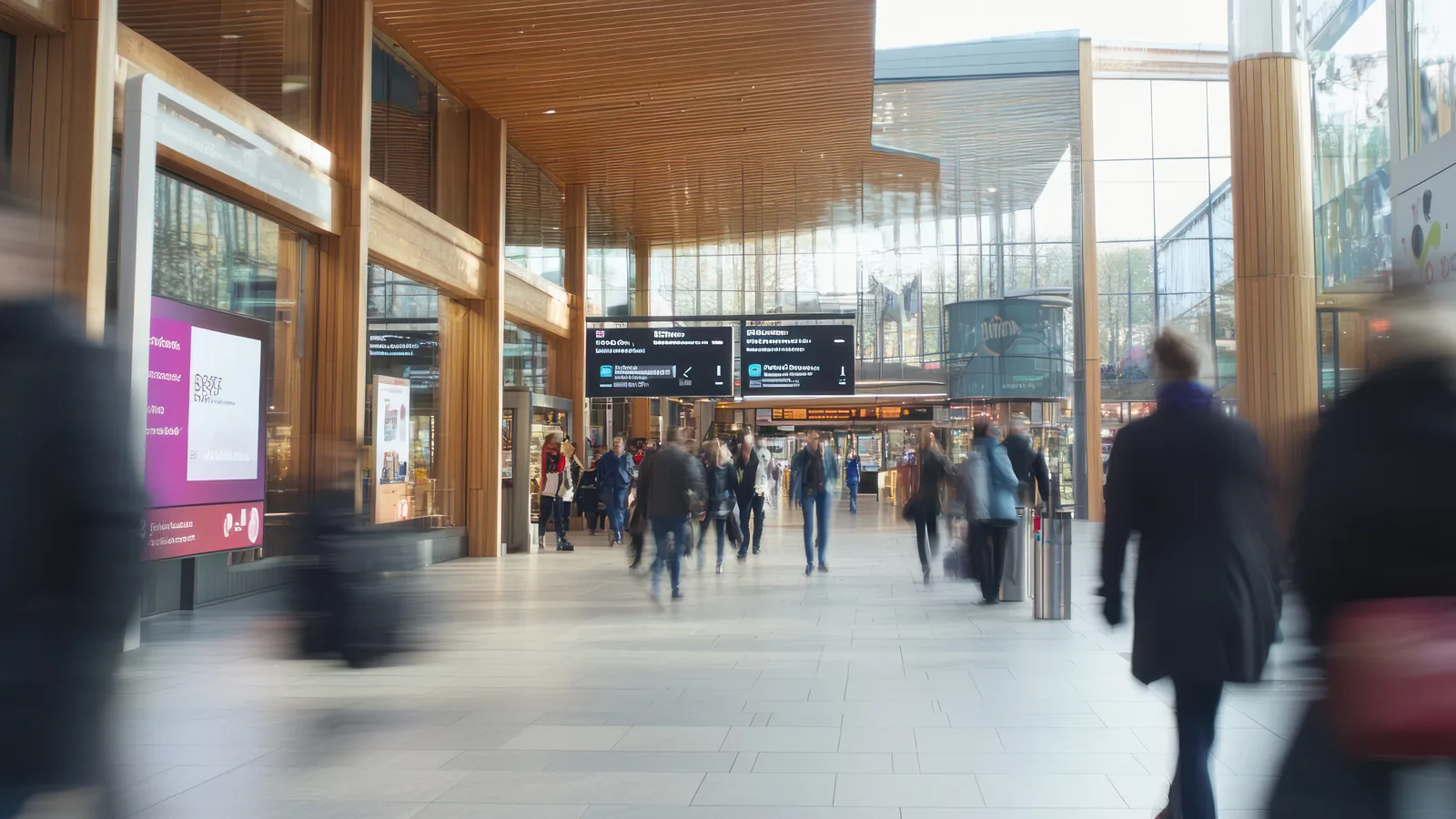
Avoid escalators, revolving doors and other constantly moving backgrounds in the count area. A moving backdrop competes with the people you want to count and adds noise. Keep the count line over a stable floor area.
Manage lighting and reflections at the entrance. You cannot control the sun, but you can reduce glare from polished floors and glass, soften a harsh spotlight, or position the count line away from the brightest patch. Even, consistent light helps most.
These same principles are why counting on cameras you already own works well: the gains come from a good view of the entrance, not from special hardware.
Setting realistic expectations
What does "good enough" accuracy mean? It depends on the decision. For staffing, you need a count reliable enough to tell a busy hour from a slow one and to compare days. For conversion, where you divide sales by footfall, small consistent errors matter less than wild swings.
This is the part people overlook: consistency over time can matter as much as absolute accuracy. A counter that runs a steady, small amount low every day still shows your trends, peaks and week-on-week change clearly. One that is dead-on today and far off tomorrow is harder to trust, even if its average looks better.
So the honest summary is this. Camera people counting is reliable when placement and lighting are good, and it weakens in crowded, glary or awkwardly angled scenes. There is no guaranteed percentage that holds everywhere, and anyone offering one is glossing over the conditions that actually decide it. If you are still weighing options, compare the trade-offs in people counter types compared.
The best thing you can do is validate on your own footage. The right number for your store is the one you measured at your own busy door.
Frequently asked questions
How accurate are people counters?
Accuracy varies with the scene. Under good placement and lighting, camera counting is generally reliable, but it falls in crowded, glary or poorly angled conditions. There is no single percentage that holds everywhere.
Why should I not trust a headline accuracy percentage?
Most quoted numbers come from clean, uncrowded test conditions. Your busy entrance with sunlight and groups will perform differently, so the brochure figure rarely matches what you see in the field.
How do I validate a people counter's accuracy?
Run it on a real sample of your own footage, including your busiest hour, then hand-count the same clip and compare the totals. Look at where the errors cluster so you can fix placement or lighting.
What hurts people-counting accuracy the most?
Occlusion from crowding, awkward camera angles, low or harsh lighting, very wide entrances, and constantly moving backgrounds like escalators are the biggest factors.
See it on your own footage
The most useful accuracy test is the one run on your own entrance, at your own busy hour. We are happy to do exactly that with you. Request a demo and we will validate the count on a sample of your real video, then talk through what your placement and lighting mean for the numbers.