People Counter Types Compared: Cameras, Thermal Sensors, Beam Counters and Wi-Fi
If you are shopping for a way to count visitors, the hardest part is cutting through the spec sheets. The main types of people counters all promise to count traffic, but they work in very different ways and give you very different data.
This guide is a neutral comparison of the five common technologies: infrared break-beam, thermal, time-of-flight or 3D, Wi-Fi and Bluetooth sensing, and camera-based software. We look at each through four lenses: accuracy in real conditions, privacy surface, hardware cost, and what data you actually get back.
By the end you will have a clear sense of which approach fits a single door, which fits full-store analytics, and why there is no single best people counting technology, only the best fit for your space.
Key takeaways
- The main people counter types are infrared beam, thermal, time-of-flight or 3D, Wi-Fi sensing, and camera-based software.
- Beam counters are the cheapest but give a rough single number. Wi-Fi estimates miss anyone without an active device.
- Thermal and 3D sensors handle entrances well, but each adds dedicated hardware per door.
- Camera software on your existing cameras can feed richer metrics like dwell, zones and queues, with accuracy depending on placement and lighting.
How to compare people counters fairly
Most comparisons start and end with one number: accuracy. That number on its own is misleading. A counter that is 98 percent accurate at a quiet single-file door can drop sharply when two people walk through side by side, or when a doorway is wide and busy. The conditions matter as much as the label.
So it helps to compare on four lenses at once:
- Accuracy in real conditions. Not the lab figure, but how the method holds up with crowds, groups, kids, shopping carts and changing light.
- Privacy surface. What the system sees and stores. Does it capture images? Does anything leave the building?
- Hardware cost. Up-front sensors, plus cabling, mounting and per-door units.
- What data you actually get. A single entry count is very different from dwell time, queue length or zone heatmaps.
Keep all four in view and the picture changes. The "most accurate" sensor can be the wrong choice if it only gives you a door tick and you needed conversion. For more on reading vendor figures, see our guide on how accurate people counters really are.
Infrared break-beam counters
A break-beam counter is the simplest design. A beam of infrared light crosses a doorway to a receiver on the other side. Each time someone walks through and breaks the beam, the device records a tick. Software then estimates entries from those ticks, often dividing by two to account for people passing in both directions.
Strengths. They are very cheap and simple to install. For a narrow single-door shop that just wants a rough daily total, a beam counter does the job at low cost.
Limits. A single beam cannot tell direction, so it guesses. It struggles at wide or busy doorways, where two people abreast break the beam once and count as one. It records no group size, no dwell, no zones. If your door sees bursts of foot traffic, the error grows.
Privacy surface. Very low. There are no images and nothing recognizable, just a beam and a counter. For privacy-sensitive sites that only need a tally, that simplicity is a real advantage.
Thermal sensors
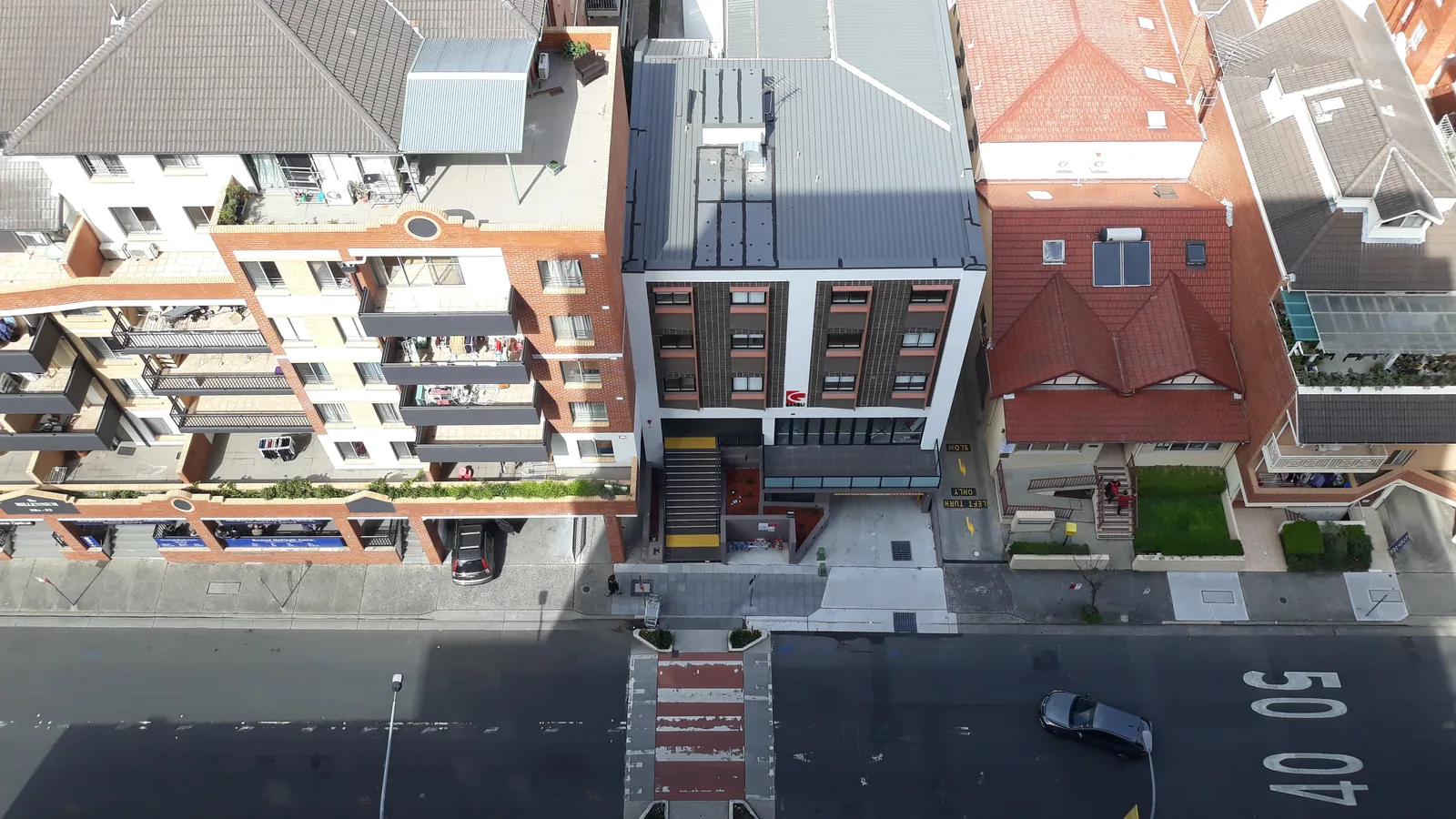
Thermal counters detect body heat. A sensor mounted top-down at the entrance reads the warm signature of a person passing underneath and counts the crossing. Because it works from heat rather than visible light, it does not need a clear, well-lit image.
Strengths. Thermal works in low light or darkness, which suits dim entrances and after-hours counting. It produces no recognizable image of anyone, so the privacy surface is low.
Limits. Direct sunlight, heating vents and warm floors can confuse the reading. In a tight crowd, overlapping heat signatures blur together, so two close people can register as one. Top-down mounting also limits how wide an opening a single unit can cover.
What it can and cannot feed. A thermal sensor at the door gives you entries and, with directional models, occupancy. It does not see what happens once people are inside, so it cannot feed dwell time, zone heatmaps or queue length on its own.
Time-of-flight and 3D sensors
Time-of-flight (ToF) and 3D sensors measure depth. Mounted top-down, the sensor builds a depth map of the scene and uses height to separate one person from the next. Because it is reading shape and distance rather than a flat image, it tells people apart even when they cluster.
Strengths. This is one of the stronger options for busy entrances, where beam and thermal both wobble. Height data also lets it distinguish adults from children anonymously, without identifying anyone, which is useful for family-oriented venues.
Limits. It is dedicated hardware: one or more units per door, each covering a limited width. A wide entrance may need several sensors, and that adds up across a multi-door store or a chain. Installation usually means cabling and ceiling mounting at the entrance.
Privacy and cost. The privacy surface is low, since it captures depth maps rather than identifiable images. On cost it sits above beam and thermal, reflecting the more capable hardware and per-door coverage limits.
Wi-Fi and Bluetooth sensing
Wi-Fi and Bluetooth sensing takes a different angle. Instead of watching a doorway, it listens for the wireless signals that phones and other devices emit, and estimates how many people are present across an area.
Strengths. There is no entrance hardware to mount. A few access points can cover a large zone, even a whole floor or mall wing, which makes it attractive for broad presence estimates over wide spaces.
Limits. It only counts people carrying an active, discoverable device. Anyone with Wi-Fi off, a child without a phone, or a group sharing one device is undercounted. Modern phones also randomize their MAC addresses, so the same person can look like several devices, which makes deduplication harder than it used to be.
An honest note. These are estimates, not counts. Wi-Fi sensing is useful for rough trends across a large area, but if you need a dependable entry figure or conversion math against sales, treat it as a soft signal rather than a hard number.
Camera-based software on existing cameras
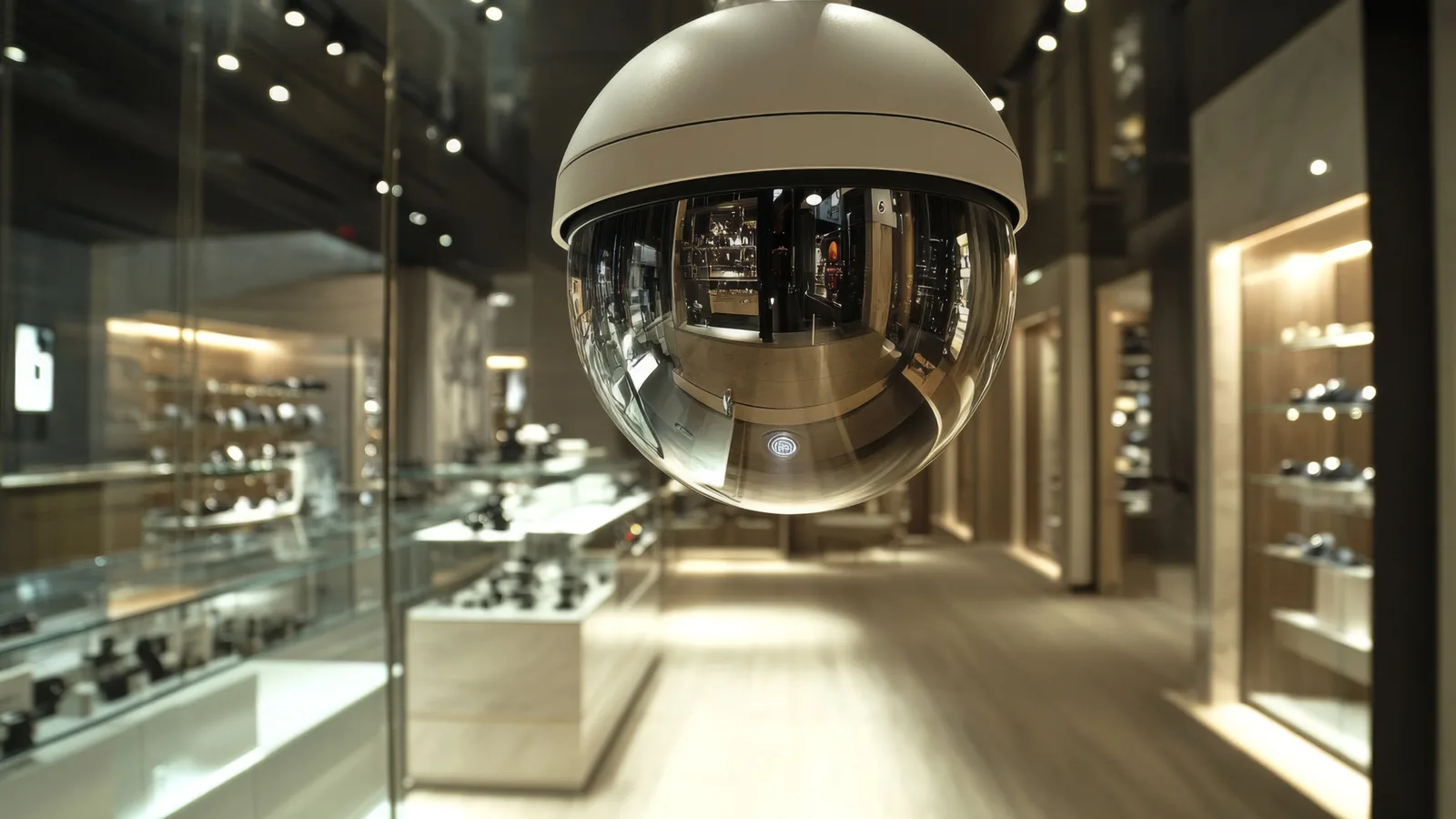
Camera-based software counts people from the video your IP cameras already produce. CountPort connects to standard RTSP and ONVIF cameras and runs body-only detection to count visitors, with the video processed on-site on a back-office PC, a mini-PC, a Mac Mini or supported cameras.
Strengths. The biggest one is reuse. If you already have cameras at the entrance and across the floor, you may not need to buy or mount any new sensors. Because it sees the whole scene rather than just a doorway tick, the same setup can feed richer metrics: dwell time, zone and heatmap data, queue and wait-time, and conversion when you pair footfall with POS. You can read how this works in our overview of people counting and our broader take on software versus hardware counters.
Limits. It depends on the scene. Cameras need suitable placement, mounting height and lighting, and accuracy falls if a camera is angled poorly or an entrance is heavily crowded. It is not a fit for a camera pointed at a shelf rather than a walkway. Honest placement up front matters more than any headline figure.
Privacy surface. Detection is body-only, with no facial recognition. Video stays on-site rather than being shipped to a cloud, which keeps the privacy footprint contained and makes it a friendlier fit for GDPR-conscious operators. There is more detail on our technology page.
Pricing note. Because there is no per-door sensor to buy, the cost model is software per camera: a flat Lite tier at $29 per camera per month and a Pro tier at $39 per camera per month.
Side-by-side: what each can measure
The clearest way to choose is to match the technology to the metric you actually need. Here is what each type can typically produce.
| Metric | Infrared beam | Thermal | ToF / 3D | Wi-Fi sensing | Camera software |
|---|---|---|---|---|---|
| Entry count | Rough | Yes | Yes | Estimate | Yes |
| Direction in/out | No | Some models | Yes | No | Yes |
| Live occupancy | Limited | Some models | Yes | Estimate | Yes |
| Dwell time | No | No | Limited | Rough | Yes |
| Zones / heatmaps | No | No | No | Area-level | Yes |
| Queue / wait time | No | No | Limited | No | Yes |
| Group / adult-child cues | No | No | Yes (height) | No | Scene-dependent |
Read the table by your need, not by the row count. If all you want is a door tally, a beam or thermal unit is enough. If you need dwell, zones, queues or conversion, you are looking at camera software or a mix.
Some sites combine technologies on purpose: a simple counter on a side fire exit that only needs a tally, and richer camera analytics on the main floor where the decisions happen. There is no rule against mixing, as long as you are clear about which metric comes from where.
Choosing for your space
Start with one question: do you need a door-only count, or full footfall analytics? That single decision narrows the field fast. We break it down further in door counters versus footfall analytics.
If you need only a tally at a narrow door on a tight budget, a beam or thermal sensor is reasonable. If you have wide, busy entrances, ToF or 3D handles the crowding better. If you want trends across a large open area and exact counts are not critical, Wi-Fi sensing can sketch the shape.
If you want dwell, zones, queues or conversion, and especially if you already have IP cameras, camera-based software is usually the most economical way to get there, since it skips per-door hardware. Weigh three things together: your budget, the hardware already on site, and your privacy requirements. Our buyer's guide to choosing a people-counting system walks through this step by step.
Frequently asked questions
What are the main types of people counters?
The common types are infrared break-beam counters, thermal sensors, time-of-flight or 3D sensors, Wi-Fi and Bluetooth sensing, and camera-based software. They differ in cost, privacy surface and the metrics they can produce.
Which people counter type is most accurate?
Camera and 3D or ToF approaches generally handle busy entrances better than beam or Wi-Fi counting. But real-world accuracy depends on placement, height, lighting and crowding more than on the technology label alone.
Why is Wi-Fi people counting less reliable now?
Modern phones randomize their Wi-Fi MAC addresses, so signal-based counts are harder to deduplicate. Wi-Fi also only sees people carrying an active device, which means it misses children and undercounts groups.
Can I count people without buying new sensors?
Often yes. Camera-based software like CountPort can run on the IP cameras you already have, as long as they are placed suitably. That avoids dedicated per-door hardware.
See it on your own cameras
The fastest way to judge camera-based counting is to see it run on a scene like yours. Request a demo and we will walk through placement, the metrics you would get, and how it compares to the sensor you are weighing against.