People Counting and Visitor Analytics for Beauty and Cosmetics Stores
CountPort turns the overhead cameras already in a beauty or cosmetics store into anonymous footfall and behaviour analytics, covering counter and tester engagement, sampling zones and assisted-selling staffing.
Works with the cameras you already have · Anonymous · Video stays on-site
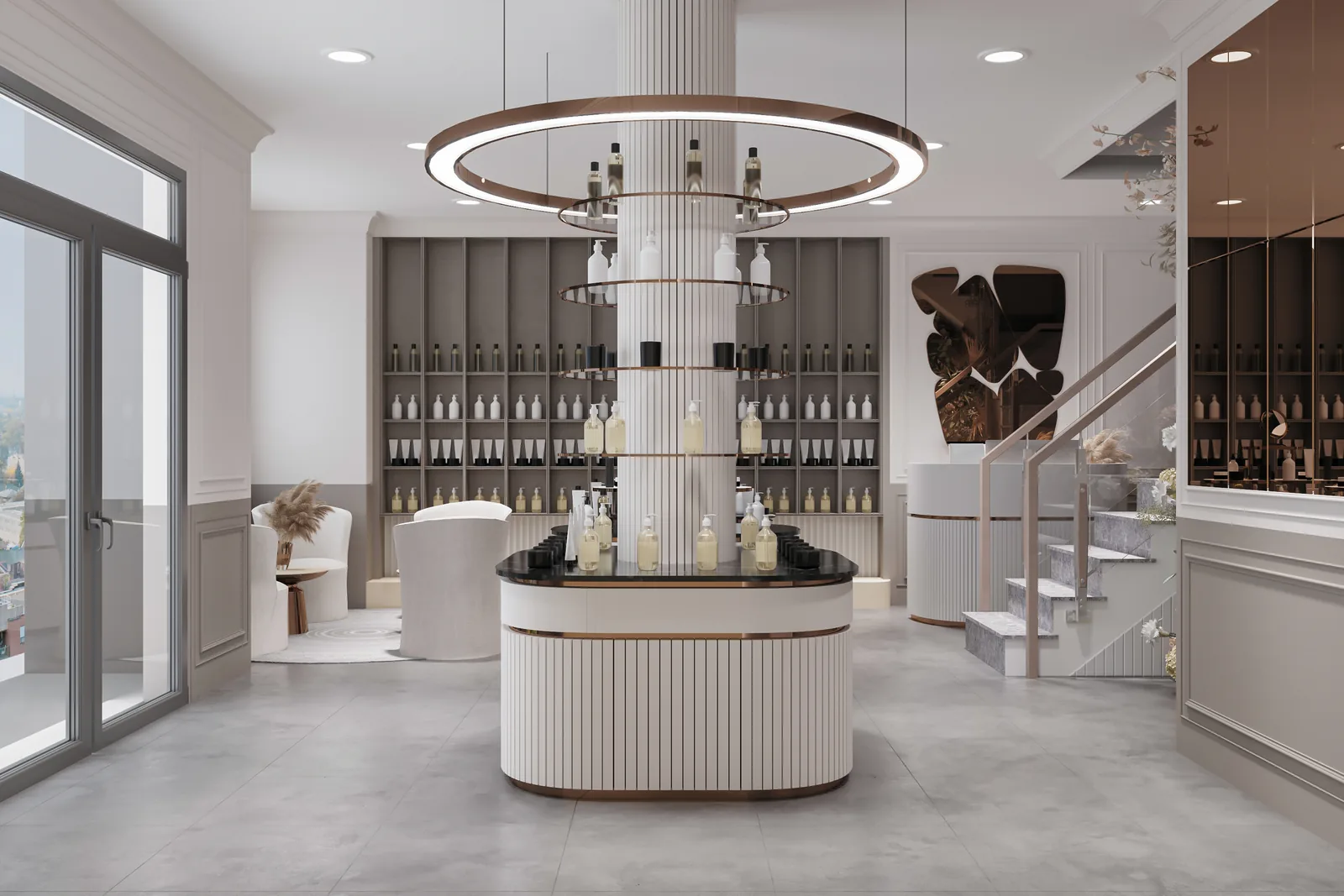
Footfall analytics for the way beauty retail actually works
A beauty and cosmetics store earns its sales at the counter, the tester unit and the sampling table, not at a single point near the till. People counting for beauty and cosmetics stores gives the store the visitor numbers behind those moments: how many people enter, how many reach each brand counter, and how the floor fills through the day. CountPort produces these figures from the overhead cameras the store already operates.
Because beauty retail depends on assisted selling, the value of a footfall figure is in what it shows about staffing and engagement. CountPort reports the visitor mix and movement anonymously, with no facial recognition and no attempt to identify anyone. Video is processed on a small computer inside the store, the footage never leaves the building, and only the resulting numbers reach the dashboard. The store keeps a clear record of demand without keeping a record of people.
What beauty & cosmetics operators want to know.
Counters and testers compete for the same shoppers
Several brand counters and tester units sit close together, and it is hard to tell which ones draw shoppers in and which are passed by. Without counts at each area, merchandising and brand negotiations rely on impressions rather than measured engagement.
Assisted selling needs staff at the right moment
Beauty conversion depends on an advisor being free when a shopper lingers at a counter. Rosters built on till receipts miss the browsing peaks, so staff are present when the floor is quiet and stretched when it is busy.
Browsers test products but leave without buying
Sampling and testing are central to the category, yet a shopper can spend time at a tester and still walk out. The store needs to know how many people engage with a zone relative to how many actually purchase, area by area.
Staff movement distorts the counts
Advisors restock testers, demonstrate products and move constantly across the floor. If their movement is counted as visitor traffic, engagement and conversion figures for each counter become unreliable.
CountPort analytics, applied to beauty & cosmetics.
Each measure runs on the overhead cameras you already have. Video is processed on-site and stays anonymous.
Count everyone who enters, accurately by group
CountPort counts people entering and leaving from the overhead cameras at the door, classifying adults and children and counting couples and families as the correct number of people. That gives a dependable footfall baseline for every engagement and conversion figure across the store.
Counting ›See which counters and testers draw the floor
Heatmaps show where shoppers move, slow down and gather, so a store can see whether a brand counter or tester unit attracts attention or is walked past. The picture supports merchandising decisions and brand discussions with evidence rather than impressions.
Heatmaps ›Measure each sampling and brand zone
Zones and routes report the visitor traffic and the paths people take through specific areas, such as a fragrance counter or a skincare sampling table. The store learns which zones pull shoppers in and which are bypassed on the way to the till.
Zones & routes ›Staff assisted selling to real browsing peaks
Counting and occupancy data show when the floor and individual counters are busiest, so advisor rosters can match the hours when shoppers are actually browsing testers and asking for help, rather than the hours the till happens to ring.
Occupancy ›Keep staff out of the visitor numbers
Staff exclusion keeps advisors restocking testers and demonstrating products out of the visitor counts. Engagement and conversion figures for each counter then reflect shoppers alone, which matters in a category where staff move across the floor constantly.
Staff exclusion ›Understand visit patterns over time
Visitor profiles describe the anonymous visitor mix and how visit patterns shift across days, weeks and seasons, never identity. A store can see how launches, promotions and gifting periods change who comes in and when the floor is busiest.
Visitor profiles ›How CountPort works in a beauty and cosmetics store
CountPort connects to the overhead cameras a store already has, typically those covering the entrance, the main aisles and the brand counters. No new cameras or sensors are required. A small computer inside the store reads those feeds and produces counts, occupancy figures, heatmaps and zone performance, which appear on a live dashboard alongside scheduled exports or a direct data connection for reporting.
Setup maps the floor into the areas that matter for the category: the entrance line, each brand counter, the tester and sampling zones and the service points. From there, the store can watch how many people enter, how the floor fills during the day, and which counters and zones hold attention. The figures are designed for store and brand teams to read directly, without specialist analytics skills.
Pricing is published and flat per camera, so the cost of covering a store is predictable. The Lite plan is 29 dollars per camera per month and the Pro plan is 39 dollars per camera per month. A store can start with the cameras over the door and main floor and extend coverage to individual counters as needed.
Anonymous by design, on the cameras you already own
Beauty retail handles sensitive moments, from skin consultations to gifting, and shoppers expect discretion. CountPort is built to respect that. It does not use facial recognition and does not identify individuals. Every video feed is processed on the small on-site computer, the footage never leaves the premises, and only the resulting numbers are sent to the dashboard. What the store keeps is a count of demand, not a record of customers.
This anonymous approach still answers the questions that run a beauty floor. The store learns how many people came in, which counters and tester zones drew them, how long areas held attention and when staffing should be heaviest. Because CountPort reuses existing overhead cameras and adds no new hardware, a store can begin measuring counter and tester engagement quickly and keep the data it produces strictly to anonymous numbers.
The numbers worth watching.
Store footfall
How many people enter and leave through the day, the baseline for every engagement and conversion figure on the floor.
Counter engagement
Visitor traffic reaching each brand counter or tester unit, showing which draw shoppers and which are passed by.
Sampling zone reach
How many shoppers enter a defined sampling or tester zone relative to total store traffic.
Zone conversion
Visitors to a counter or zone compared with purchases, revealing where browsers test products but leave without buying.
Peak occupancy
How busy the floor is at one time, used to align assisted-selling staffing with real browsing peaks.
Dwell by area
Where on the floor shoppers slow down and gather, drawn from heatmaps across counters and sampling areas.
CountPort measures people anonymously. It counts and groups visitors, never identities, and does not use facial recognition. All video is processed on-site, inside your premises, and is never uploaded; only the measurements you choose to keep are shared. This approach reduces privacy risk and simplifies data-protection review. Read privacy details ›
Explore other industries
All industries ›
Fashion & Apparel
CountPort measures footfall, conversion and floor behaviour in clothing stores and boutiques using the overhead cameras already installed, with all video processed on-site and no facial recognition.
View ›
Grocery & Supermarkets
CountPort turns the overhead cameras a grocery store already runs into footfall, queue and aisle analytics. Video is processed on-site, and only anonymous numbers reach the dashboard.
View ›
Electronics & Big-Box
CountPort turns the overhead cameras already installed in an electronics or big-box store into anonymous footfall and behaviour analytics, measuring how departments fill, where demo stations draw attention and how many big-ticket visits reach a counter.
View ›Questions about CountPort for beauty & cosmetics.
Does CountPort use facial recognition to track beauty shoppers?
No. CountPort does not use facial recognition and does not identify individuals. It counts people and measures movement anonymously. Video is processed on a small computer inside the store, the footage never leaves the building, and only the resulting numbers reach the dashboard.
Do we need new cameras for our counters and tester areas?
No. CountPort works with the standard overhead cameras a store already owns, including those over the entrance, aisles and brand counters. There is no new hardware to install. Coverage can start at the door and extend to individual counters and sampling zones as needed.
Can CountPort show which brand counters and testers draw the most shoppers?
Yes. Heatmaps show where people move, slow down and gather, and zones and routes report visitor traffic and paths through specific areas. Together they reveal which counters and tester units attract attention and which are walked past on the way to the till.
How does CountPort help with assisted-selling staffing?
Counting and occupancy data show when the whole floor and individual counters are busiest. Advisor rosters can then match the hours shoppers are actually browsing testers and asking for help, rather than the hours the till happens to ring.
Will staff restocking testers be counted as customers?
No, when staff exclusion is enabled. It keeps advisors moving across the floor, restocking testers and demonstrating products out of the visitor numbers, so engagement and conversion figures for each counter reflect shoppers alone.
How much does CountPort cost for a beauty store?
Pricing is published and flat per camera. The Lite plan is 29 dollars per camera per month and the Pro plan is 39 dollars per camera per month. A store can start with a few cameras and add coverage of more counters over time.
See your counters and testers measured
Request a demo to see CountPort measure counter and tester engagement on your existing cameras, or view pricing for flat per-camera plans.